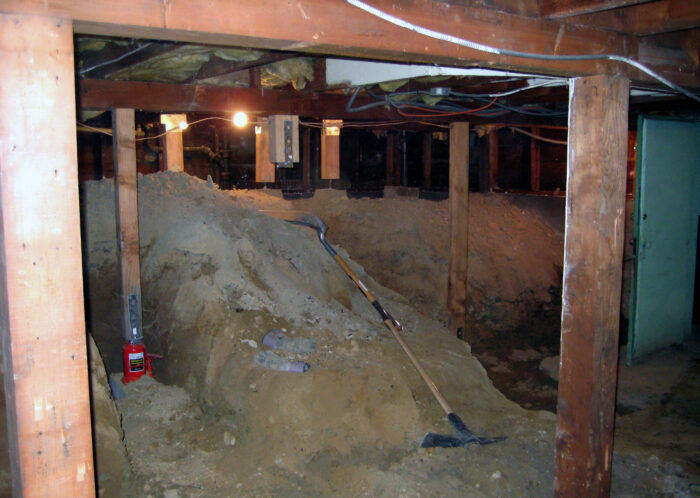
how to turn a crawl space into a short basement

As we continue to pack away the living room and kitchen and haul things to the basement, we’re reminded of how lucky we are to have our short basement. Projects like this are a good example of how thoughtful architectural planning can uncover hidden square footage in older homes—something we explore frequently through our residential architecture […]
Read More

porch reveal

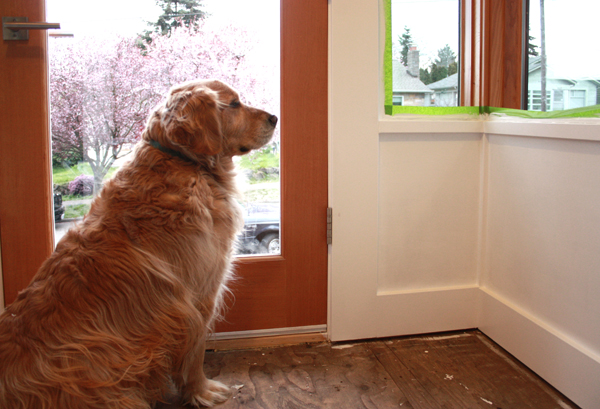
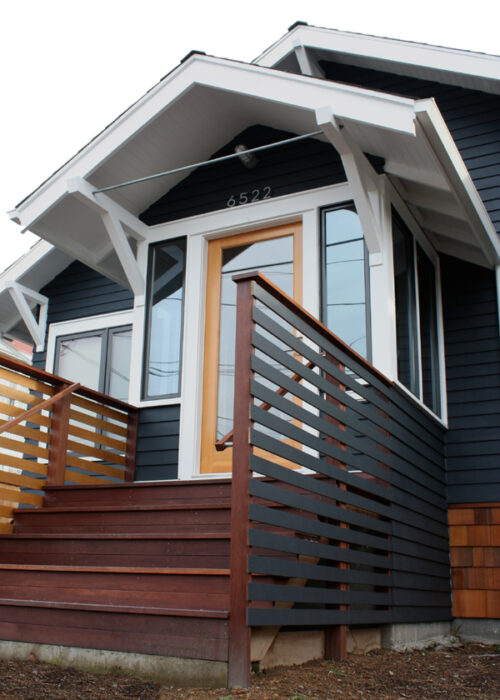
I had my doubts, but ladies and gentlemen, the porch is finally done!* *ok, we still have to construct a storage bench but the impending demo party has delayed that for now. But before the big reveal, let’s take a moment to reminisce. Here is our cute, perfectly practical open porch in the 1930’s. Yikes…and […]

Read More

porch progress: so close

Work on the porch continues. One more coat of paint, then the finishing touches and we’ll finally be done!  

Read More

modern coat hooks

Back in October, we put together a materials palette for our porch. Four months later (after a much needed break) we are finally finishing the space up and realized we have yet to order the coat hooks! Below is the coat hook style that we picked out last fall – it’s the Bach hook and is sold through a few […]

Read More

porch progress: trim and paint

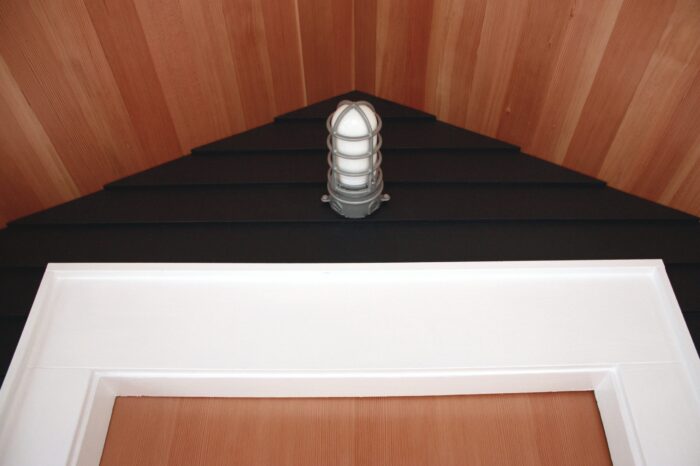
The weekend is officially over and we are happy to report that we were able to cross a few more things off the pre-demo list. Kyle made some major progress on the front porch – most of the trim is up and the siding is painted (teaser photo below). We’re loving how the white trim and fir look against […]

Read More

FAQ

An architect is a qualified professional that not only designs your home or remodel but acts as your advocate throughout the entire process. A good architect will listen, they’ll be honest about how much things cost and how long things take and they’ll use their years of expertise to navigate an onerous permitting process, help vet potential contractors and be there for you during construction. If you don’t have an architect, that work is either done by you or the builder and compromises and sacrifices will inevitably happen.

This depends largely on the size and scope of the project and where you’re located. In some jurisdictions it’s easy and straightforward to get a permit, in others it can take 6 months to a year or longer. We usually advise clients to budget 3 -6 months for design for smaller projects and 12 months for larger projects. Permitting timelines can extend those estimates. Construction can take 4-6 months for small remodels or 16-18 months for custom homes.

Absolutely! We love to see what clients like (or don’t like!) and we’re used to gleaning the important info from all sorts of media – photos, sketches, diagrams – we’ve seen it all!

Maybe – this really depends on the housing market and how much time you have before you make an offer. It also depends on the property itself. If you’re looking at a house with a steep slope, we may advise that a geotechnical and structural engineer make their own evaluation. This can add more time based on people’s ability. We can usually make some basic recommendations based on our knowledge of the local codes, but it’s not a replacement for a more thorough feasibility study. If possible, we usually recommend that people make an offer contingent on a more thorough analysis. What we don’t want to do is give you a rosier outlook only to find that there were some unexpected issues with the property.

Depending on the scope of the project, phasing can be a practical approach. However, we usually advise that homeowners do everything in one phase if possible – this not only takes less time but simplifies the permitting process and is a more appealing process to contractors. When you phase a project, you have repeat mobilization costs that create a more expensive project in the end than doing it all at once. We’re happy to talk through phasing options though as each project is unique and sometimes it does make sense.

Yes! For us, interior design is an integral part of our process. We enjoy working with homeowners to think about their homes holistically and have extensive experience in all aspects of the design process.

In our experience, successful projects have homeowners that are engaged but trust us and the process. They ask questions and are clear communicators. They make timely decisions and speak up if something doesn’t feel right. They’re transparent about budget and schedule constraints so there aren’t missed expectations.